What Should a Business Brochure Include?
A good business brochure doesn’t have to be fancy or complicated to work. It just needs to tell the right people what you do, why it matters and how to take the next step with you in a clear, confident and consistent way.
Our team at Image Box Design have designed and printed brochures for businesses in Berkshire and across the UK, and we’re here to share our top tips.
If you’re planning a new brochure or refreshing an old one that’s been gathering dust, here are five key elements to focus on.
5 Things to Include in Your Business Brochure
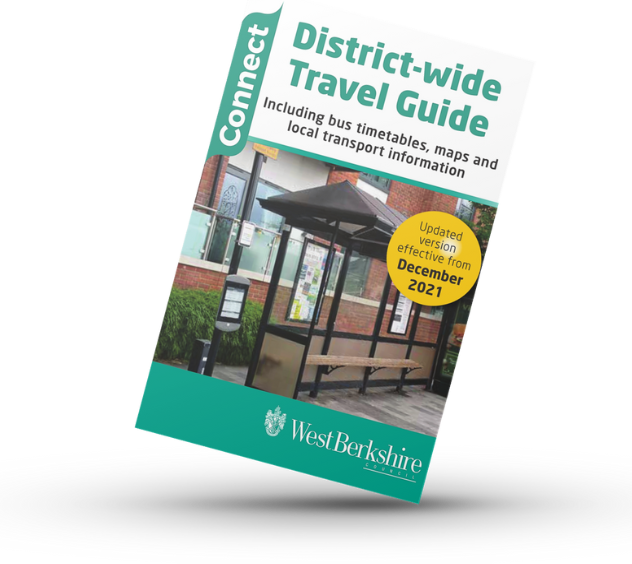
1. A Clear, Benefit‑Led Front Cover
Your front cover is the split‑second decision point. Someone will either pick it up and open it, or slide it back onto the reception table and move on.
Give the cover one main job: make the right people curious enough to look inside.
Consider:
- A simple, benefit‑led headline that speaks to a problem you solve or an outcome you deliver.
- A short line underneath that explains what you do, in everyday language.
- Your logo and brand elements, used confidently but not overpowering the headline.
- One strong image that reflects the result of working with you (a busy restaurant, a finished office fit‑out, a happy team), rather than a random stock photo.
Try reading your cover from arm’s length. If a potential customer glanced at it for two seconds, would they know roughly who you help and how? If not, tighten the wording until it’s obvious.
2. Your Story, Positioning and USP
Once someone opens the brochure, they’ll quickly look for context: “Who are these people, and are they relevant to me?”
You don’t need a long company timeline – you need a sharp positioning section that answers the questions in your reader’s head.
Useful things to include:
- A short “Who we are” paragraph: what you do, who you work with and where you operate.
- Your USP – the thing that genuinely sets you apart, whether that’s your process, speed, service style, sustainability focus or sector expertise.
- A couple of proof points: years in business, key certifications, industries you specialise in, or a headline statistic (for example, “Over 1,000 projects delivered for UK SMEs”).
- One or two short testimonials to back it up with real voices.
Write this section as if you were explaining your business to someone at a networking event – friendly, confident and straight to the point, without slipping into corporate jargon. People are more likely to remember you if you sound human.
3. Services and Benefits Laid Out Clearly
Most brochures lose readers in the middle. That’s usually where companies start listing every service, process and piece of equipment they own – and it quickly becomes hard work to read.
Instead, think of the core pages as a guided tour of what you can do for your ideal customer.
For each key service or product area:
- Start with a short summary: what it is, who it’s for and where it fits in the bigger picture.
- Use bullet points to highlight the benefits, not just the features. Save time, reduce risk, improve experience, cut waste, simplify compliance, and so on.
- Add a simple example or mini case study: “We helped X client achieve Y result in Z timeframe.”
- Include any options, tiers or packages laid out in a way that’s easy to scan.
If you work across very different sectors (for example, both corporate and education), consider giving each audience its own page or panel. That way, people can jump straight to the bit that feels written for them, instead of wading through a generic overview.
A helpful rule of thumb: if a sentence doesn’t help a prospect understand what you can do for them, or why it matters, it probably doesn’t need to be in the brochure.
4. Visuals and Design That Support Your Message
Design isn’t just about making the brochure “pretty”. It’s there to help people move through the content easily and to reinforce the quality of your brand.
A few practical things to build in:
- Real photography where you can (your team, your work, your premises, your products in use) to make the brochure feel genuine.
- A consistent colour palette and typography that match your wider branding, so someone can recognise you instantly across print and digital.
- A clear visual hierarchy: headings, sub‑headings, pull‑out quotes and icons that help the eye flow through the page.
- Enough white space around text and images to make everything easy to scan; cramped layouts feel cheap and are harder to read.
Think about your brochure in someone’s hands, not just on a screen. Heavier stock, a matt or silk finish, and careful choice of size and fold all affect how serious and “premium” you feel as a business.
If you’re investing in professional design and print, it’s worth treating the brochure like a long‑term asset rather than a throwaway flyer. Choose content and visuals that will still feel relevant and on‑brand in 12–18 months.
5. Strong Calls to Action and Easy Next Steps
You don’t want people to finish your brochure, think “That’s nice”, and then pop it back in the drawer. You want them to do something while you’re still fresh in their mind.
That’s where clear, specific calls to action come in.
Good CTAs are:
- Visible – placed on relevant pages, not hidden only on the back cover.
- Specific – “Book a free consultation”, “Request a quote”, “Download our full product guide”, “Scan to view our latest case studies”.
- Low‑pressure – inviting, not shouty, so they feel like the natural next step.
Make it incredibly easy for people to respond:
- Include phone, email, website, main office address and (if relevant) a QR code to a landing page or portfolio.
- Use a dedicated email address or landing page for brochure responses so you can track how well it’s working.
- If you attend events or send brochures by post, think about including an offer with a simple code so readers feel there’s extra value in taking action now.
The aim is to remove friction. Your reader should never have to think, “What do I do if I’m interested?” It should be obvious on every key spread.
Bringing It All Together
If you get these five elements right, a clear cover, strong positioning, benefit‑driven services, thoughtful design and confident calls to action, your brochure stops being “something to hand out” and becomes a practical sales tool your team actually wants to use.
You can place it in reception areas, send it as a follow‑up after meetings, hand it out at exhibitions or include it in proposal packs, knowing it’s working quietly in the background to reinforce your brand and move people closer to a “yes”.
Need Help With Your Next Brochure?
If you’d like support turning these ideas into a brochure that feels true to your brand and looks the part in your customers’ hands, get in touch with Image Box Design.
Based in Reading, Berkshire and working with brands and businesses across the UK, we can handle everything from concept and copy through to corporate brochure design and high‑quality printing, so you end up with a piece you’re proud to put your name on.
If you’d like a quote, call us on 0118 969 4000 or complete our online form and we’ll get in touch as soon as possible.
Related Guides:
- How Much Does it Cost to Design a Brochure?
- A Small Business Guide to Print Finishes
- What Is a Brochure? Ultimate Guide
- Why Branding is Important for Your Businesses Success
- 9 Essential Tips for Powerful Corporate Graphic Design
- What Is a Corporate Identity?