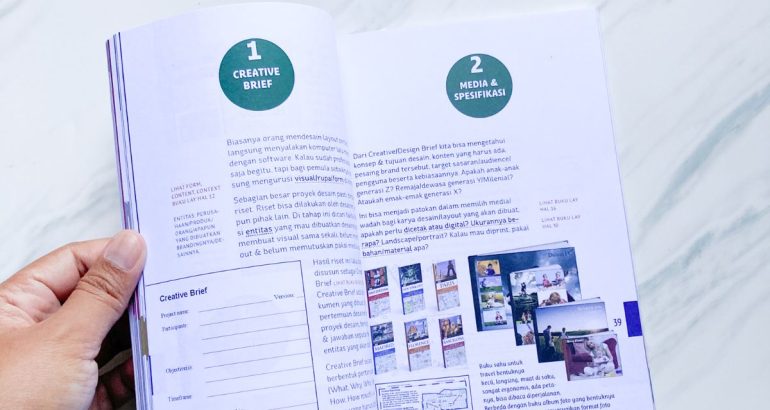
Everything You Need to Know About Print Finishes
So you’ve just finished creating some stunning artwork for your latest project, and now it’s time to bring it to life in print.
But have you thought about how you want it finished? Maybe a touch of Spot UV varnish? A smooth varnished paper? Or perhaps an embossed logo?
Print finishes might sound like a technical term, but they’re often what separates a forgettable brochure from one that stands out and gets remembered.
At Image Box Design, we’ve worked with plenty of small businesses over the years, and the ones that get this right often tell us their materials get passed around and talked about more than they expected.
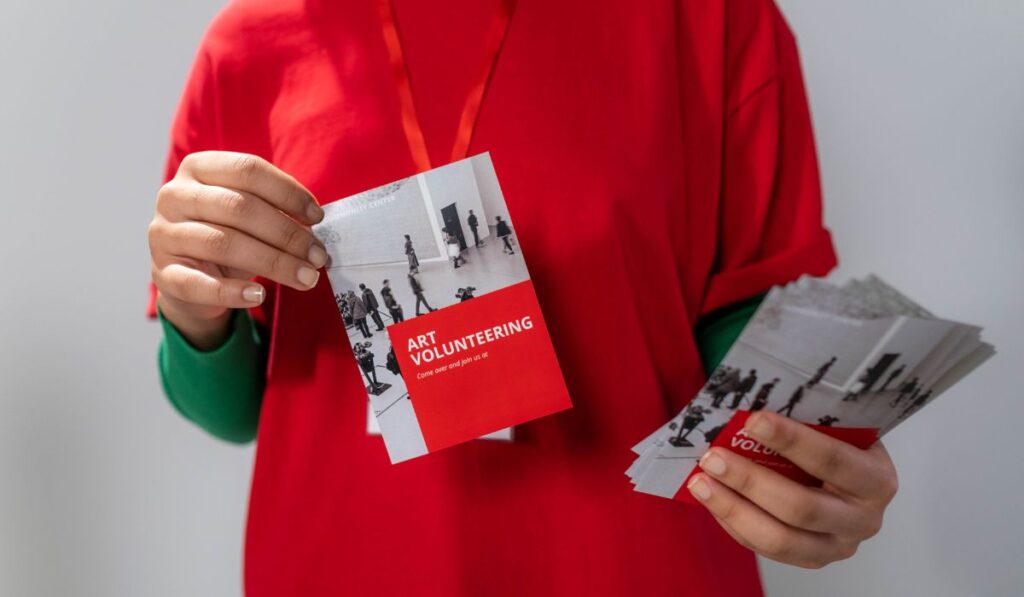
In simple terms, a print finish is anything added after the ink hits the paper. Coatings, textures, or folds that give your piece personality and polish. They’re not always essential, but for leaflets, brochures or business cards, they can make your brand feel more established.
Here’s a simple overview of the most popular print finishes and tips on when to use each one.
Varnish and Lamination
Nearly every small business print job benefits from some form of protective coating, and varnish or lamination leads the pack.
Varnish applies a thin liquid layer right after printing, while lamination seals the surface with a durable plastic film.
Both guard against fingerprints, minor spills and everyday handling. This is crucial for leaflets stuffed in bags or left on trade show tables.
The variations come down to the finish:
- Gloss brings a vibrant shine that makes product photos or bold graphics leap off the page. It’s perfect for marketing materials where eye-catching visuals drive sales, like home service brochures showcasing before-and-after renovations. Just note it can reflect light awkwardly in bright settings.
- Matt (or silk) offers a smoother, non-reflective surface that’s easier on the eyes for text-heavy content. This works brilliantly for professional flyers or business cards, giving a subtle, upscale vibe while hiding smudges better than gloss.
- Soft-touch lamination takes it further with a velvety texture, ideal for client folders, menus or anything meant to convey quiet luxury.
For bold promotions, go with gloss. For polished professionalism, go for matt.
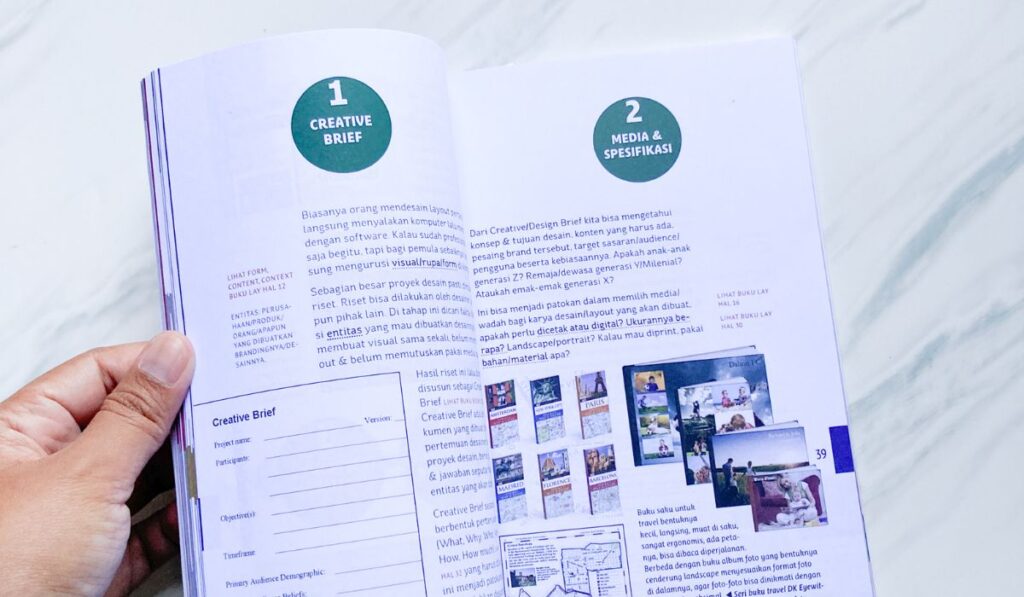
In 2026, water-based and eco-friendly versions are the norm, recycling more cleanly than older plasticky coatings that might yellow over time. They’re a smart, low-cost way to future-proof your print.
Foiling and Spot UV
When you want elements to stand out without overwhelming the design, foiling and spot UV provide targeted glamour. These are really effective on business cards or packaging, where a touch of luxury can set you apart from generic handouts.
Foil stamping uses heat and pressure to bond metallic sheets, gold, silver, rose gold or even holographic, directly onto logos or headlines. The result feels high-end, evoking trust for sectors like financial services or premium home improvements, much like the elegance of wedding stationery.
Meanwhile, Spot UV layers glossy varnish selectively over a matt base, creating a striking contrast on key spots like icons or calls-to-action. It invites fingers to trace the raised shine, making your leaflet more interactive.
Budget tip: Foil suits smaller runs craving wow-factor; spot UV scales affordably for leaflets. Limit to one or two accents per piece to stay classy, as overkill risks looking gimmicky.
Embossing and Debossing
Texture turns flat paper into something memorable. Embossing raises designs slightly off the surface, while debossing presses them in, both adding depth that’s felt as much as seen.
- Embossing delivers subtle luxury, perfect for letterheads or invitations where a logo with natural shadowing signals quality craftsmanship.
- Debossing sinks elements inward, often enhanced with foil or ink for added dimension on business cards. Pair it with thicker, uncoated stock for a raw, premium hand-feel.

These excel at networking events, where handling reinforces your brand. They’re pricier for large volumes due to custom tooling, but digital alternatives cut costs without sacrificing effect. The combo of deboss plus foil creates “blind” finishes that shift beautifully with light.
Die-Cutting and Folding
Finishes extend beyond the surface to physically shape how your print works and feels in someone’s hands.
Die-cutting uses precision tools to create custom edges, tabs, windows or unique contours, transforming a standard event invitation into an interactive keepsake or a product tag that doubles as an eye-catching display. These thoughtful cuts make materials more engaging, encouraging recipients to interact rather than toss them aside.
Folding techniques organise your content for maximum impact and portability.
- Tri-folds neatly pack detailed information into compact leaflets that fit easily in pockets or mailboxes.
- Gate-folds offer a dramatic reveal, ideal for brochures showcasing big visuals like property portfolios or product launches.
- Z-folds guide readers sequentially through processes, such as step-by-step service guides or installation instructions, unfolding naturally like an accordion.
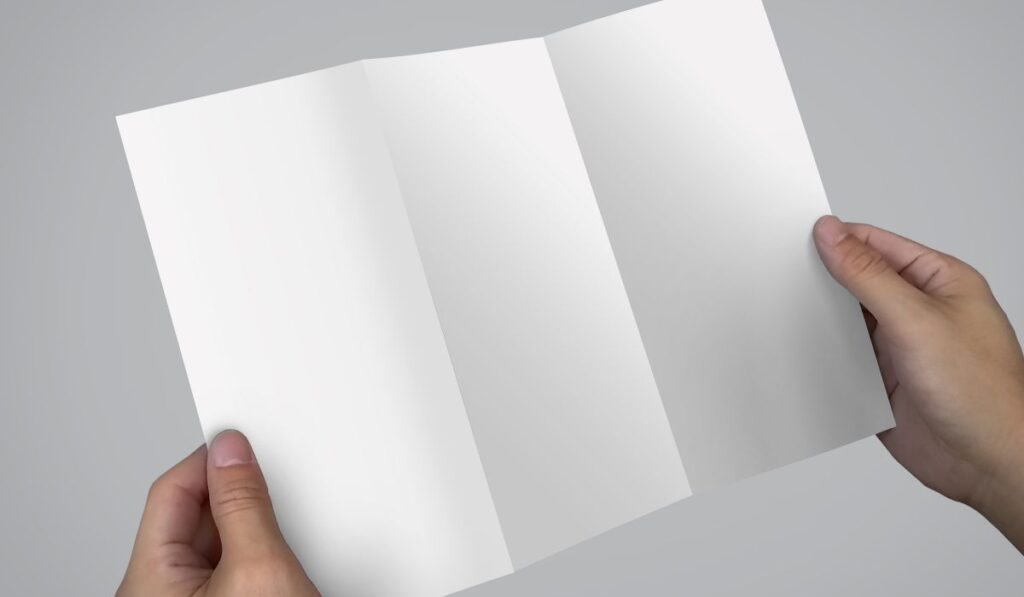
Always prototype these elements early, as a misplaced crease or awkward cut can disrupt readability and frustrate users. When done right, die-cutting and folding turn everyday mailers into memorable pieces that keep your brand circulating and top-of-mind.
Binding Basics
For brochures, catalogues or reports with multiple pages, binding provides the polished hold that signals quality.
There are three main types of binding:
- Saddle stitching inserts pages into a folded cover and secures them with two staples along the spine. A fast, economical choice for slim booklets up to 32 pages, like promotional newsletters or event programs.
- Perfect binding glues the page block to a sturdy wraparound cover, creating a clean, square-edged spine reminiscent of paperbacks. This method suits thicker professional catalogues or annual reports, offering a premium look that stacks neatly on shelves.
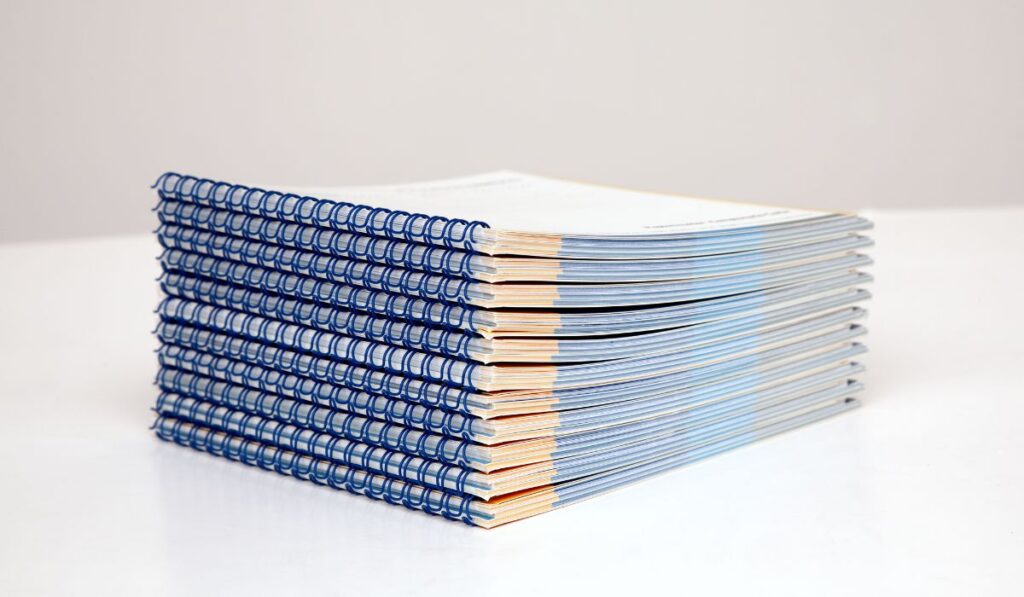
- Wiro (or wire-o) binding threads durable metal coils through punched holes, allowing pages to lie completely flat or fold back fully. Perfect for practical items like manuals, planners or training workbooks where ease of use comes first.
Wondering which option is best?
- Choose stitching for quick, low-cost runs.
- Perfect binding for a sleek, bookstore finish
- Wiro, when functionality outweighs formality.
Each option ensures your multi-page print feels substantial and user-friendly, reinforcing your brand’s attention to detail.
Quick Tips for Small Businesses
There are far more finishing options than you might expect, and the possibilities truly are endless when you work with the right printing partner. From gloss coatings to embossing and foil stamping, print finishes can transform a project from good to exceptional.
That said, premium finishes often come with a higher price tag, so it’s smart to define your budget early. When done well, the right print finish can sometimes make or break a good design. The key is striking the perfect balance between creativity and cost.
Avoid the temptation to use every finish available. Instead, focus on what best supports your objectives and budget. For an eco-friendly edge, consider vegetable-based inks and recyclable laminates. Your customers will notice, and you’ll be staying ahead of the UK’s growing push for sustainable printing.
Ready to Upgrade Your Print?
For brochures, leaflets, or anything in between, our team at Image Box Design can handle it all. From concept and design to expert print management and finishes that make your brand stand out.
Based in Reading, Berkshire, we work with businesses across the UK to deliver high-quality results without the hassle.
If you’d like some advice or a quote, call us on 0118 969 4000 or complete our online form.
FAQs
A print finish refers to post-printing processes applied after the ink dries, such as coatings, laminates, embossing, or foiling. These enhance protection, texture, and visual appeal, turning standard prints into premium, tactile materials that elevate brochures, cards, or packaging.
Gloss makes colours pop for images, whereas matt increases readability and elegance, so it really depends on your goals. We recommend getting samples so you can see which suits your content best before you print.
Basics like varnish are often free on larger runs. Foil or emboss adds 20-50%. Volume always lowers the per-item price, so we recommend getting quotes.
Varnish is a thinner liquid coat for subtle protection, whereas lamination adds a tougher plastic layer for high-wear items. Both safeguard ink, but lamination endures more abuse.
Absolutely, water-based varnishes, soy inks and biodegradable films keep quality high while prioritising recyclability and compliance.
Yes, like matt lamination with foil or spot UV. Just plan ahead to ensure compatibility with the right presses.
Related Guides:
- 5 Things to Include in Your Business Brochure
- What Are Bleed and Crop Marks?
- What is Print Design?
- What is Print Media? A Complete Guide
- 12 Key Advantages of Print Advertising
- Why Printed Leaflets Still Work for Local Businesses