Designing an Effective Pop-Up Banner
When it comes to making a big impression in a small space, few marketing tools are as effective as a roller banner.
Whether you’re promoting your brand at a trade show, showcasing a new product at an exhibition, or adding some visual flair to your retail space, a well-designed roller banner can stop people in their tracks.
It’s portable, affordable, and easy to set up. Yet when designed properly, it can speak volumes about your brand’s professionalism and creativity.
At Image Box Design, we’ve been helping businesses across the UK bring their ideas to life for over 30 years. So if you’re thinking of creating a banner for your next event, here’s a complete guide to designing one that stands out for all the right reasons.
Let’s jump in.
What Is a Roller Banner?
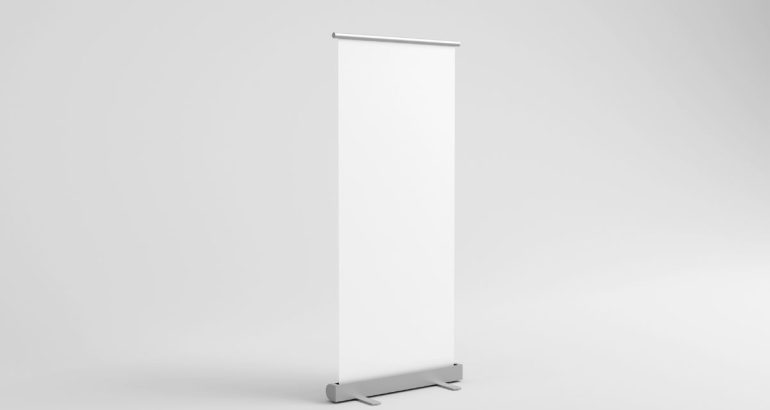
A roller banner (also known as a pop-up banner or banner stand) is a freestanding, retractable display used to promote products, services, or brand messages. It typically consists of a printed graphic that rolls up into a sturdy aluminium base, making it compact and easy to transport. When set up, it provides eye-level visual impact ideal for trade fairs, events, or shop displays.

There are various types, from standard pull-up banners to double-sided, premium, and outdoor stands, but they all share one key purpose: to attract attention and promote your business clearly and professionally.
Unlike static posters, roller banners offer both mobility and durability, making them one of the most versatile marketing tools available to modern businesses.
Read our guide for more information: What is a roller banner?
Why a Great Roller Banner Design Matters
Think of your roller banner as your brand’s handshake. It’s often the first thing people see when they approach your stand or display. A strong design can instantly convey what you do, reflect your brand identity, and trigger customer interest.
Conversely, a cluttered or poorly designed banner can make your business look unprofessional or forgettable.
Your banner needs to do more than just display information; it must communicate. In a world where foot traffic is fast-paced and attention spans are short, an impactful roller banner can draw the eye, guide the viewer’s gaze, and leave a lasting impression.
A well-designed banner will:
- Reinforce your brand identity through colour, typography, and layout
- Communicate key messages at a glance
- Encourage action, such as visiting your website or stand
- Reflect consistency across your marketing materials
Learn more about our pop-up banner design services and see how we can help your business make a memorable impact.
10 Top Tips for Designing an Effective Roller Banner
Here are professional design tips inspired by proven design principles and current display trends to help your next roller banner make a statement:
1. Lead with Your Logo
Place your company logo prominently at the top of your banner. This is prime visual real estate, positioned at or just above eye level.
When people approach your stand, their eyes naturally start at the top, so make sure your brand is the first thing they see. This establishes instant recognition and trust.
2. Create a Clear Hierarchy
Design your banner content with a top-down reading flow. Your headline should grab attention immediately. Make it concise, bold, and relevant. Follow with supporting information in smaller text, and finish with your call to action at the bottom.
Remember, less is more; keep your message direct and avoid overcrowding.
3. Choose Colours That Reflect Your Brand
Colour is one of the most powerful design tools. Stick to your brand’s core palette for consistency, but add contrast where appropriate to draw attention to key details.
High-contrast text and background colours make information pop and ensure your design is easily readable from a distance. Avoid overly bright or clashing hues that might distract from your message.
4. Keep Text Large and Legible
Your banner must be readable even from several feet away. Use large, bold fonts for headlines and a clean sans-serif typeface for body text.
Avoid cursive or overly decorative fonts that may reduce clarity. Test readability by stepping back several feet from your design. If you can’t read it clearly, it’s too small.
5. Use High-Quality Images
A pixelated or low-resolution image can instantly undermine a professional design. Use images that are at least 300dpi, relevant, and visually engaging. Whether it’s a product photo, a lifestyle image, or your team in action, every image should reinforce your message – not compete with it.
6. Don’t Overload with Information
A roller banner isn’t meant to tell your entire brand story. It’s designed to spark interest and start a conversation. Focus on one central message or theme and resist the temptation to cram in too many details.
Include your logo, tagline, website, and one key call to action (like “Visit Us Today” or “Get Your Free Quote”).
7. Balance Space and Elements
White space, or negative space, is crucial in design. It helps your banner breathe, guiding the viewer’s eye around the content naturally.
A cluttered layout can overwhelm viewers; a balanced one encourages engagement. Each element, text, image, logo, should have room to stand on its own.
8. Include a Strong Call to Action
The best roller banners prompt viewers to take the next step, whether that’s scanning a QR code, visiting your website, or speaking with your team.
Keep your call to action short, clear, and placed near the bottom. This is where the viewer’s eyes naturally end up after reading through your banner.
9. Think About Context and Purpose
Tailor your design to where and how you’ll use the banner. For example, an exhibition banner might focus on showcasing services or unique selling points, whereas a retail banner could highlight a specific promotion or product image.
Always design with the physical environment in mind – lighting, distance, and background colours all affect visibility.
10. Be Consistent Across Media
If potential customers recognise your design from your flyers, website, or social media, you’ve achieved one of the key goals of marketing: consistency. Align fonts, tone, and imagery across all touchpoints to strengthen brand identity and trust.
Common Mistakes to Avoid
Even experienced marketers sometimes fall into design traps that reduce the effectiveness of roller banners. Avoid these pitfalls for the best results :
- Overcomplicating the design with too much text
- Using poor-quality or irrelevant images
- Forgetting to proofread for spelling and grammar errors
- Neglecting the call to action
- Choosing colours that clash or reduce readability
A simple, well-balanced layout with crisp visuals and clear messaging will always outperform a crowded, confusing design.
Discover our latest graphic design ideas and blog for more design inspiration.

Why Work With Image Box Design?
Designing a roller banner isn’t just about combining text and visuals. It’s about crafting a message that represents your business perfectly.
At Image Box Design, our experienced creative team brings decades of expertise in branding, print, and marketing design. Whether you need a banner for an exhibition, shop fronts, or corporate events, we understand how to make them stand out in any environment.
We also handle the entire process, from concept through design to print production, ensuring your banner looks as good in real life as it does on screen. With free design available on select packages, it’s never been easier to create something sleek, professional, and 100% on-brand.
Ready to Make a Lasting Impression?
If you’re ready to showcase your brand with a stunning roller banner, get in touch with Image Box Design today. Whether you need one banner or a full suite of marketing materials, our team can craft bespoke designs that perfectly reflect your business and help you stand out wherever you go.
Related Guides:
- How to Design a Poster
- What Makes a Good Poster? 10 Top Tips
- What is a Flyer? Benefits & Types
- What Are Bleed and Crop Marks?
- What is Graphic Illustration?
- What is a Design Agency?
- What is an Infographic?
- What is Brochure Design?